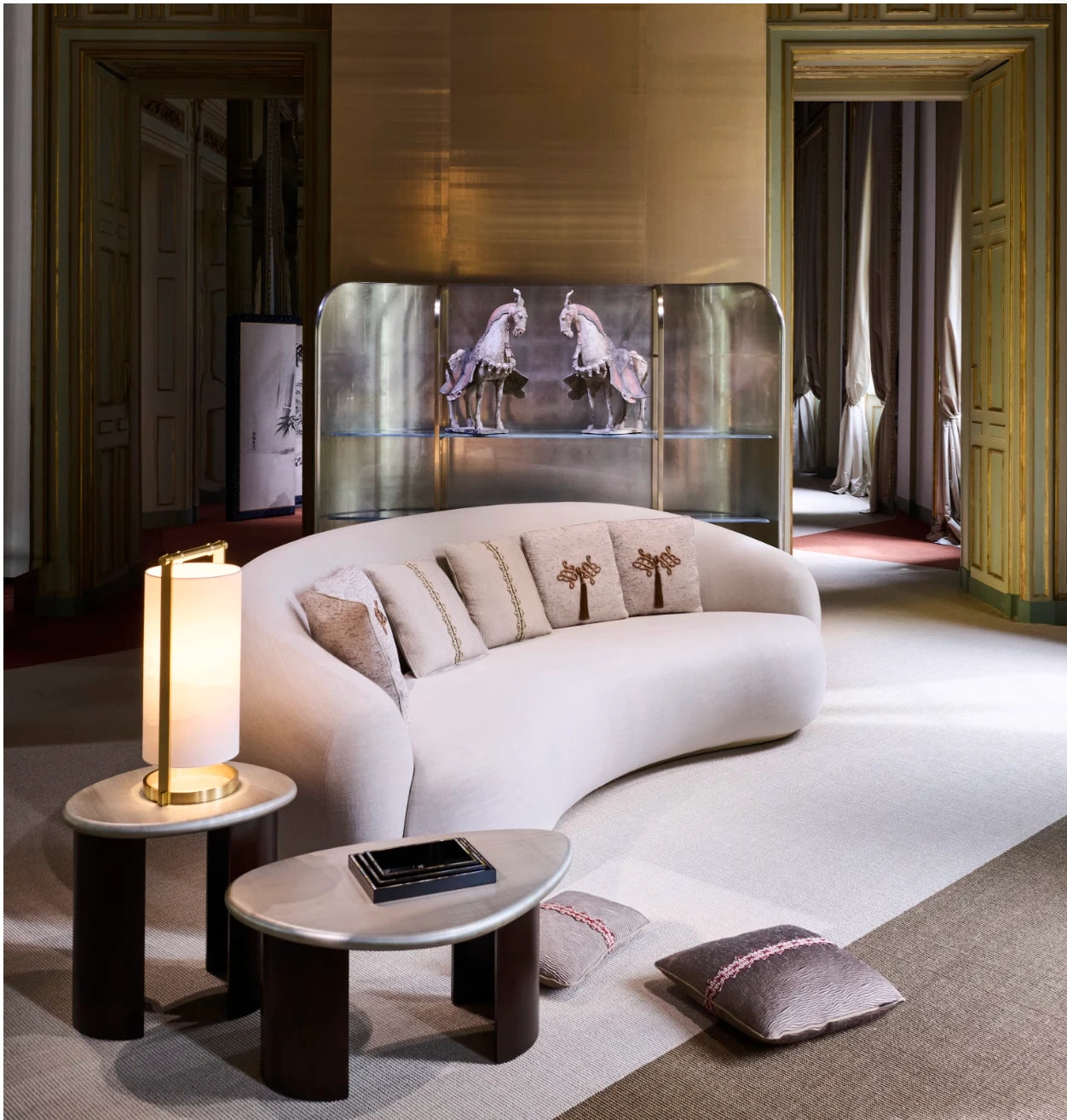
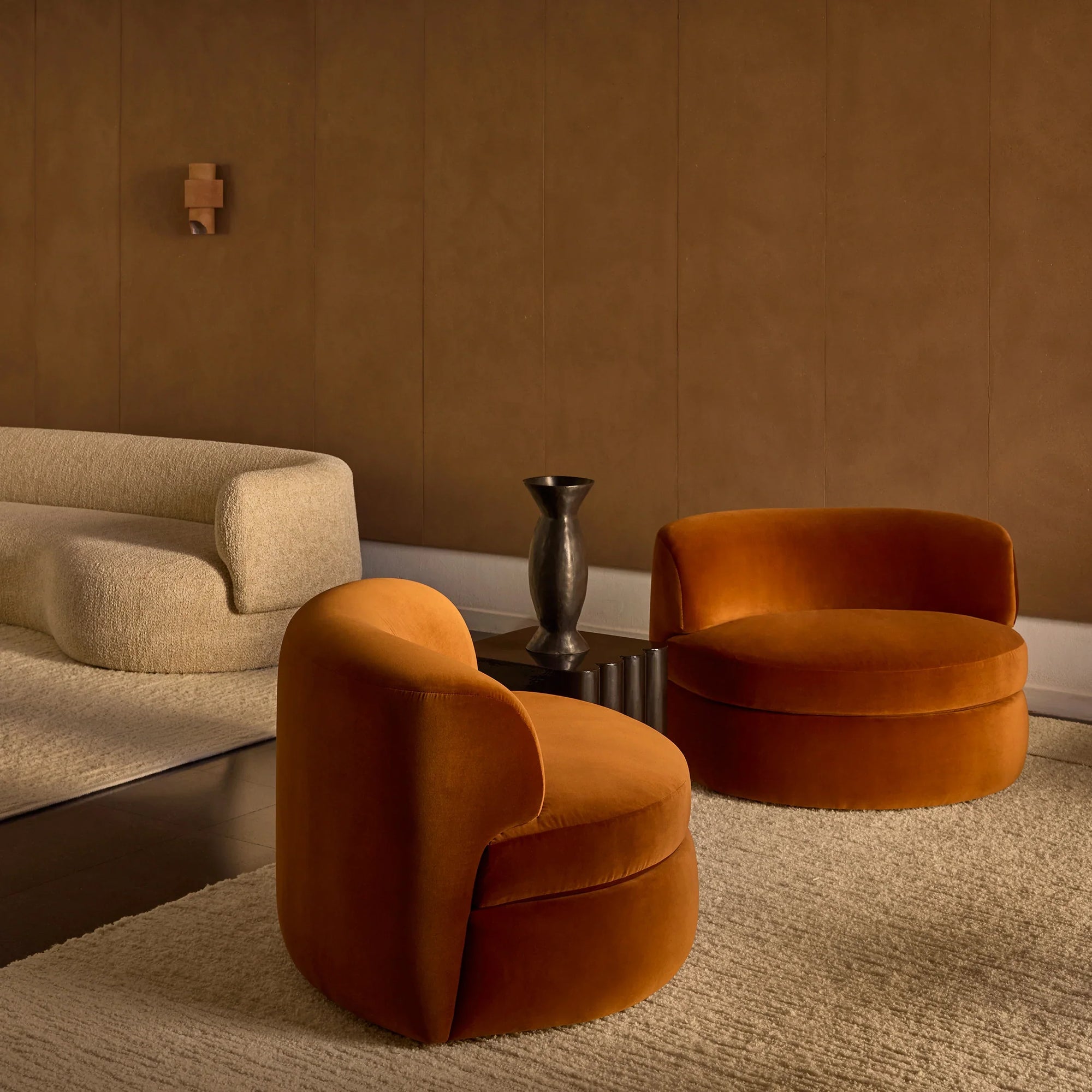
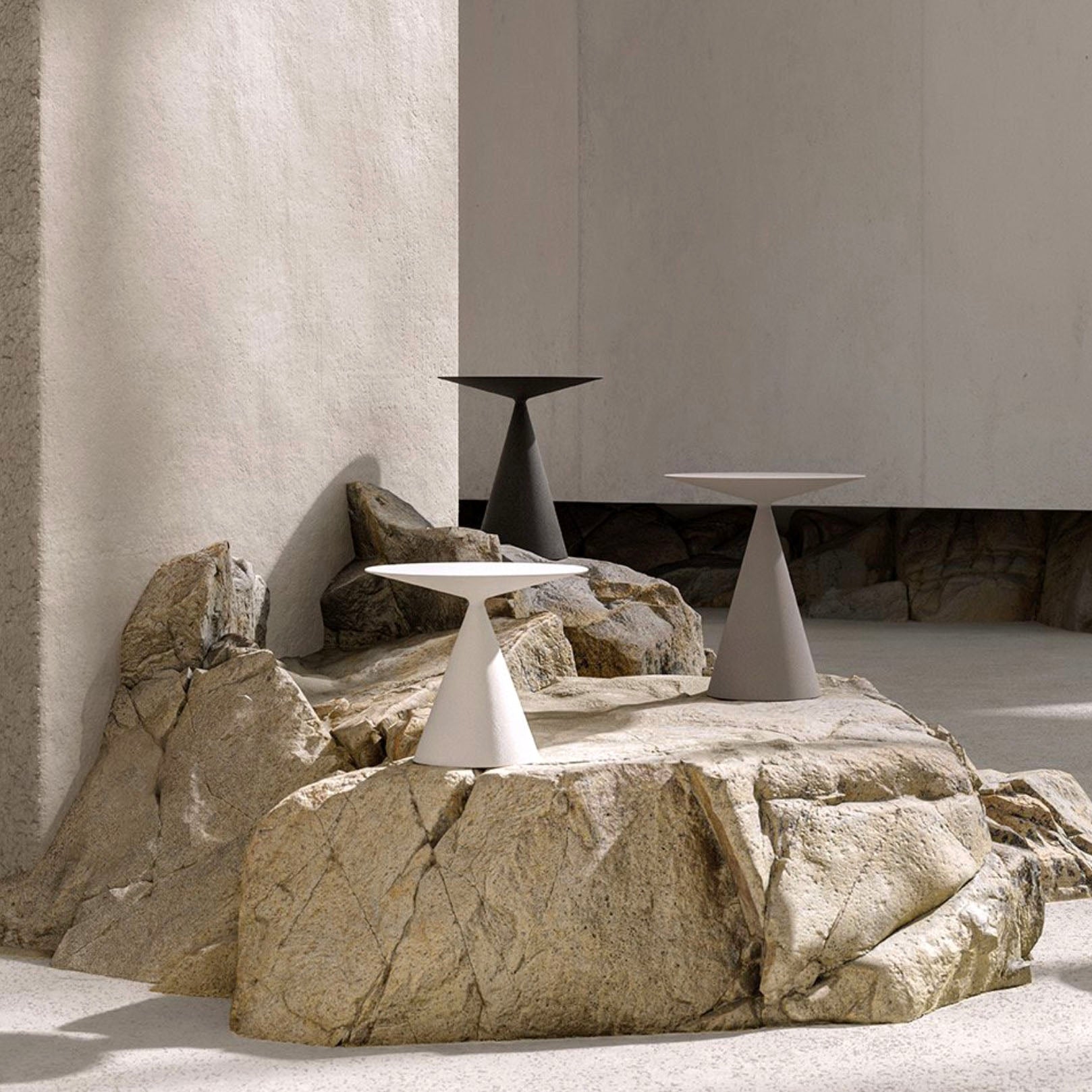
Nuovo is extremely thrilled by the creativity of the Italian high-end rugs cc-tapis, and sincerely invites you to come to our showroom to participate in this mini exhibition: Nuovo x cc-tapis Weaving Between Art and Artisanship.
Each cc-tapis rug has a deep connection to the people who made it: embracing artisanal production techniques means embracing the artisans that create our rugs. cc-tapis produces handmade rugs, using techniques from all over the world: Hand-knotted, hand-loom and hand-tufted. Each technique carries with it it’s inherent cultural identity, enriching the company and the distinctiveness of the product. Making a rug takes time, expertise and meticulous attention to detail, intertwining the skills of different artisans who come together to create a unique piece of design. Combining manual skills, culture and intellect, artisans transfer the value of traditional craftsmanship into contemporary design, helping combine and develop innovative ideas with hand-made techniques. Acting as a bridge between tradition and innovation, cc-tapis establishes an emotional
bond between artisans and the people who bring them into interior spaces.
Born in France. Designed in Milan. Produced in Nepal. cc-tapis is an Italian company which produces contemporary hand-knotted rugs which are created in Nepal by expert Tibetan artisans.
cc-tapis innovate through a new approach to traditional methods. A strong respect for the materials and for the culture of this ancient craft is reflected in the company’s eco-friendly approach to every step of production, ranging from the hand spinning of the softest Himalayan wool to the use of purified rainwater for the washing of the final products, making each one of cc-tapis rugs unique. cc-tapis founded a non-profit organization with the mission to provide a complete education to the children of weavers in Nepal. Offering education in private schools from kindergarten all the way through to high-school graduation.
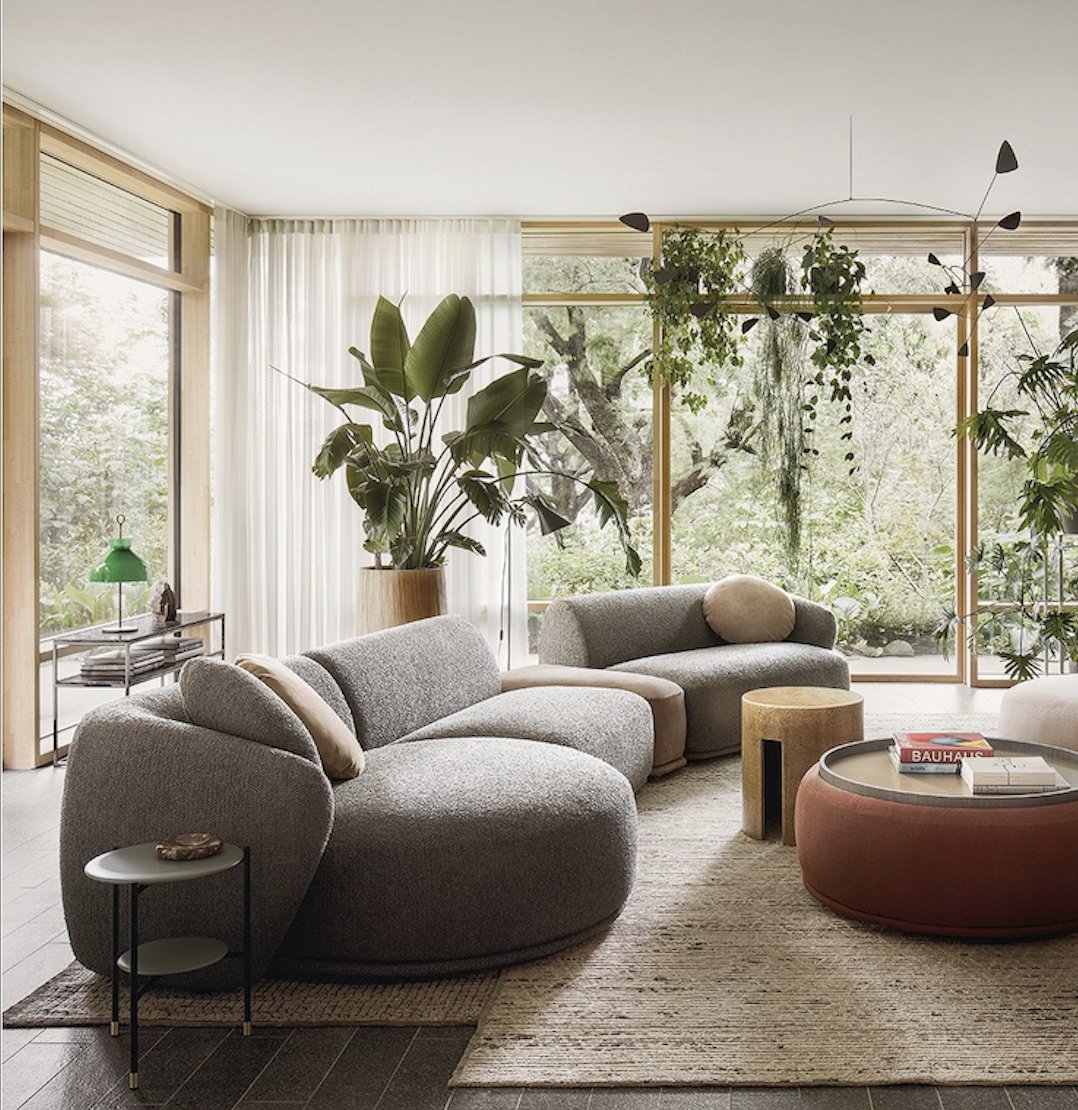
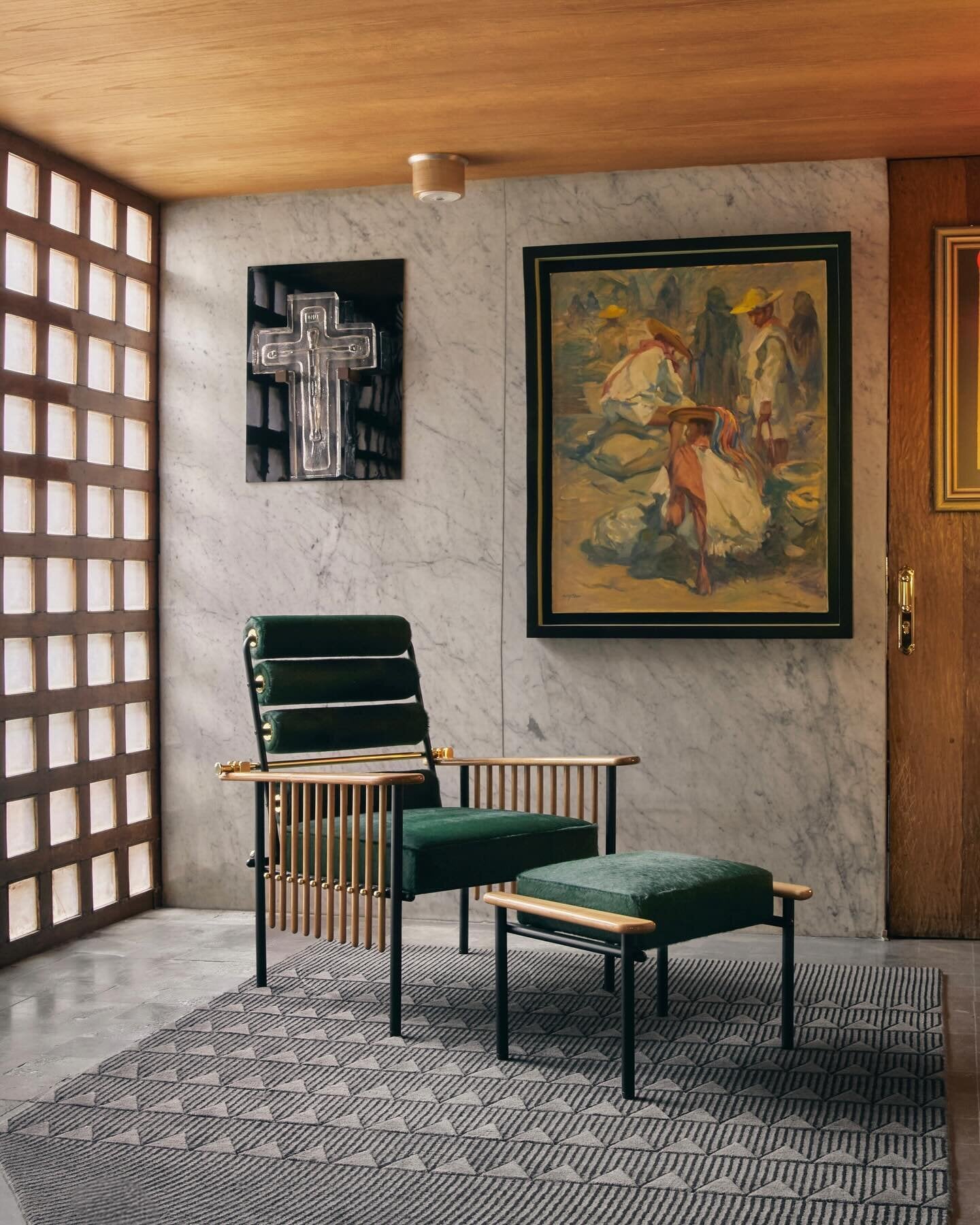
Nuovo selected four cc-tapis rugs to display in the showroom, we can feel and touch the the words of Tibetan artisans with an Avant-garde twist.

Feathers
A flock of unique rugs which were born from Belgium designer Maarten De Ceulaers affinity for birds. The works of John James Audubon and John Gould have regularly served as a source of inspiration to De Ceulaer who pairs and clips digital scans together, often tweaking and morphing them into further abstraction. Shapes, colors, and textures are rearranged into enchanting and absorbing compositions. The collages are then translated into rich and sophisticated rugs, hand-knotted in Himalayan wool and silk. To achieve the high level of detail in De Ceulaers collages and to give life to the digital artworks, the highest quality of Tibetan handknotting is used with approximately 250.000 individual knots per square meter. Different levels of pile-height are hand-cut to create a sense of depth, emphasizing the feathers ’shapes giving the collection a fine and rich texture.

Avino
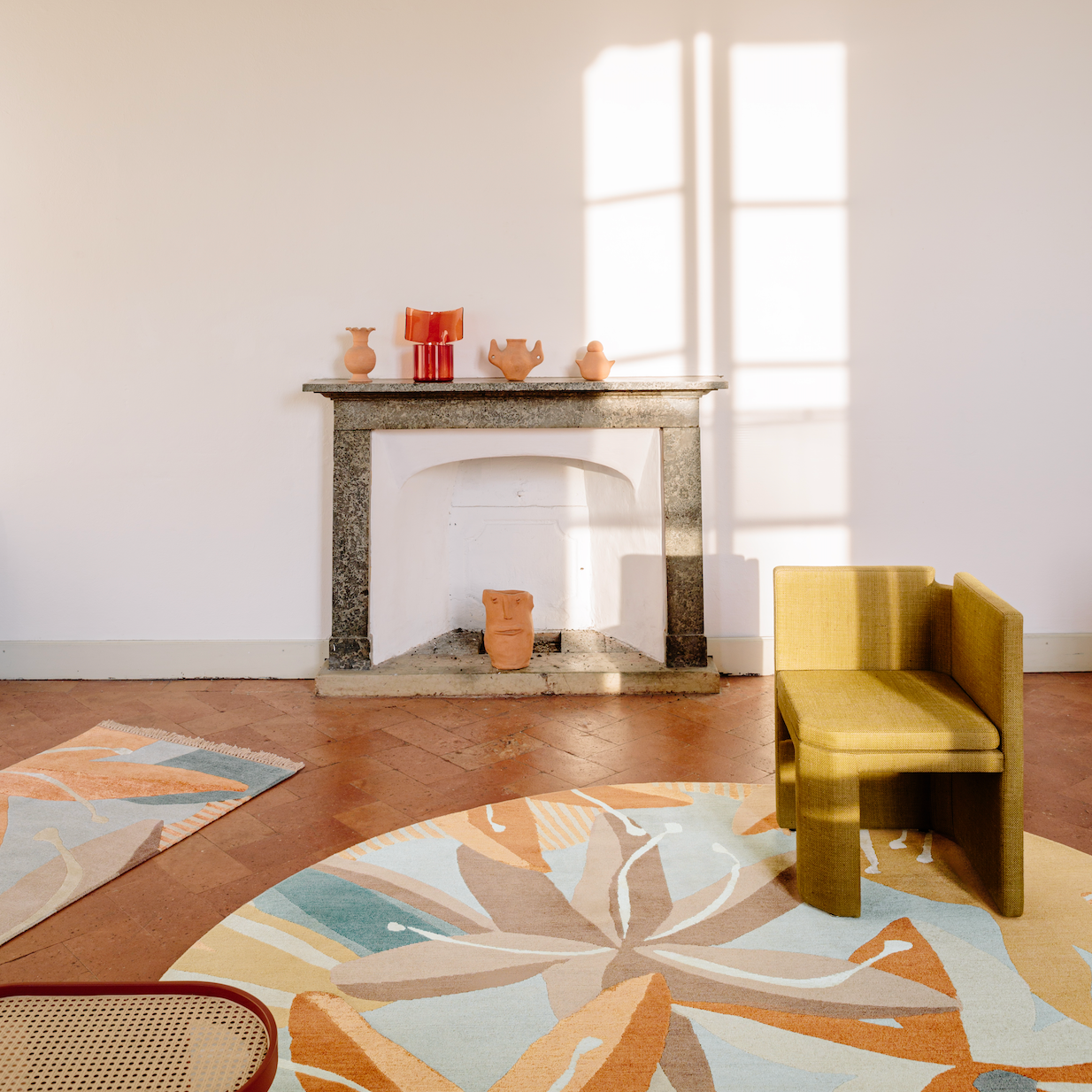
The visionary Italian designer Cristina Celestino designed rugs for the suites of the historic hotel Palazzo Avino. A collection inspired by the natural elements of the iconic coastline: it’s colors, textures, classicism and inherent beauty. Situated in Ravello on the Amalfi Coast, Palazzo Avino was originally built in the 12th
century as a noble residence. The building has had many transformations over the centuries with the latest being from Celestino. Fresh designs which are articulated by monochromatic geometries and patterns, oversized floral designs from indigenous Mediterranean flora such as pomegranate fruit, citrus trees and asphodel flowers. The beautiful organic designs are created from linen, Himalayan wool and pure silk.


Dagallà
The young and charming Italian artist Edoardo Piermattei is a painter and a sculptor, who works with foams, concrete elements, and colored pigments with local techniques and original architectural details. He created three-dimensional fresco that spreads across different historic vaulted ceilings, twisting and reinventing them into a contemporary style, like a dialogue with local materials and colors.
Of Arabic derivation, “Dag allah” literally means “saved by god”. This term is the origin of the Italian word dagala, a word which refers to the islands of vegetation which emerge from the desolate volcanic landscape of solidified lava around Mount Etna. Playing with these origins, the artist further transformed the word into Dagallà , seeing the possibility of creating new formations that emerge from the surface of a rug for cc_tapis.

Line
Philippe Malouin is a Canadian designer based in London. His diverse portfolio includes tables, rugs, chairs, lights, art objects and installations. This is his first collection for cc-tapis. Philippe Malouin instinctively traced parallel lines and focused on the irregularity created by the crayons. The design evolved through trial and error with the final aesthetic being very much part of an experimental process. Working closely with art-director Daniele Lora, special Tibetan craftsmanship was combined with a clever “dip-dying” technique for coloring the Himalayan wool. The combination of which achieved the same imprecise feeling of the original drawings, irregular lines with soft and uneven tones. The perfect mixture of vision, design, and craftsmanship, Lines is a minimal yet essential collection of rugs with a very simple off-white and monochromatic color palette.


Your cart is currently empty.