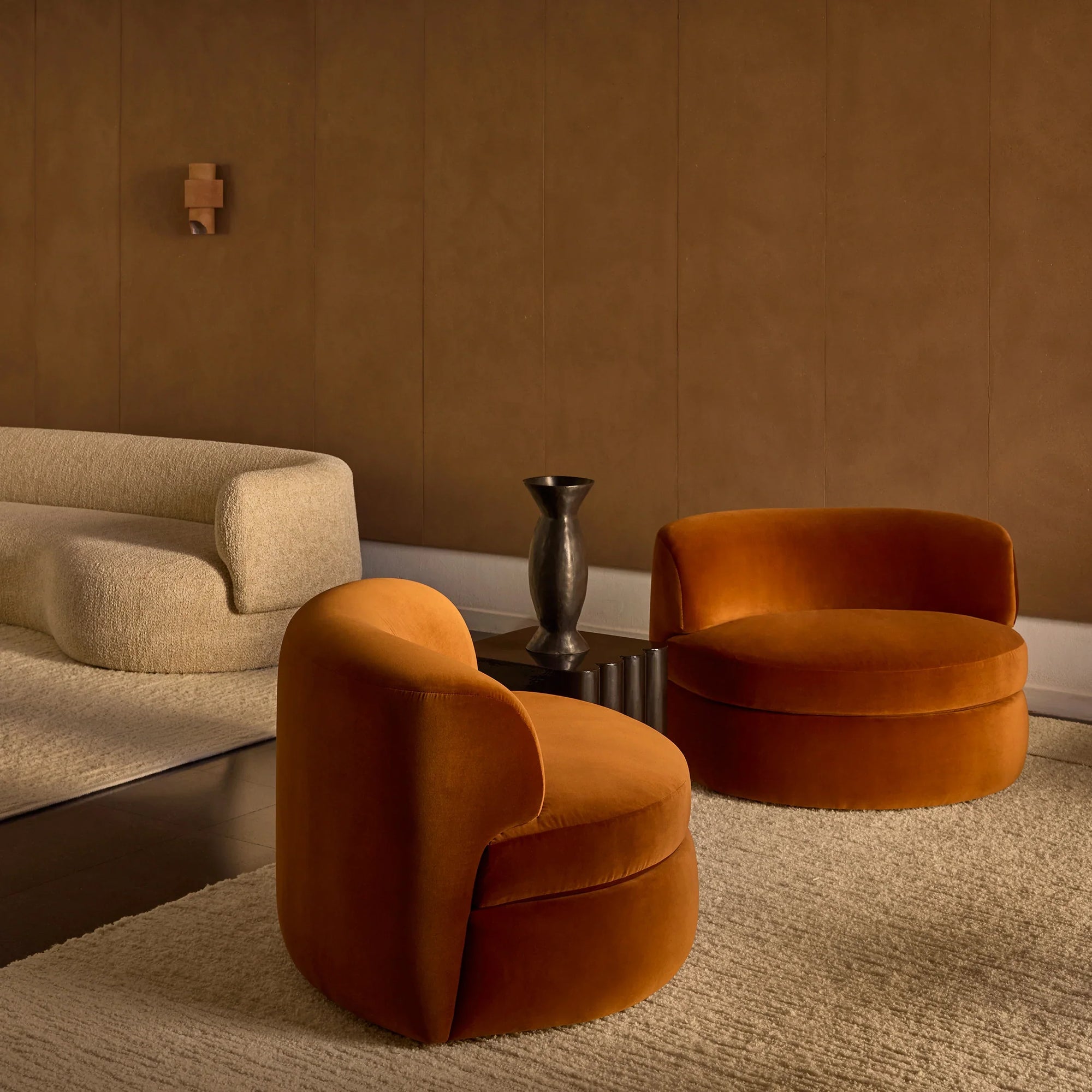
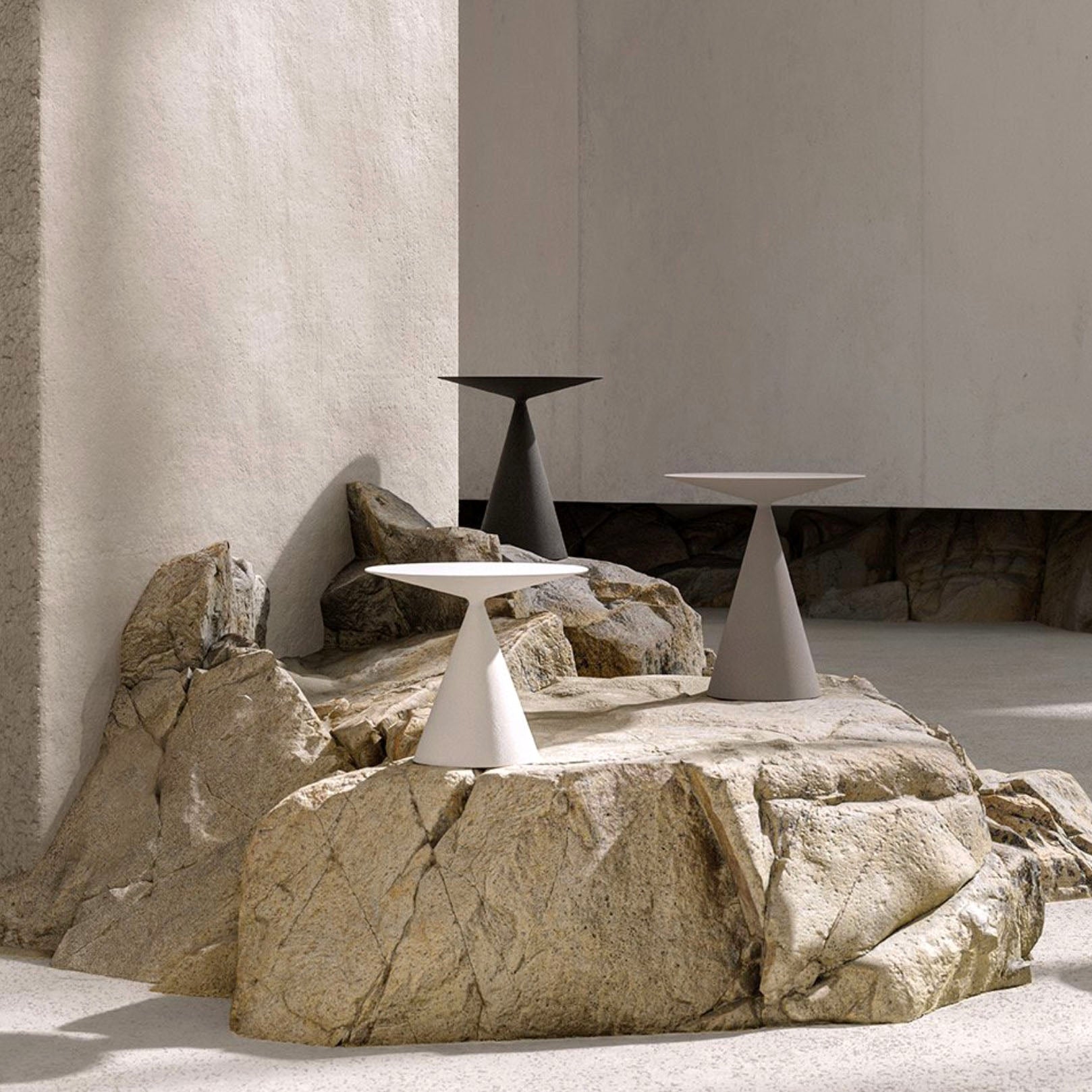
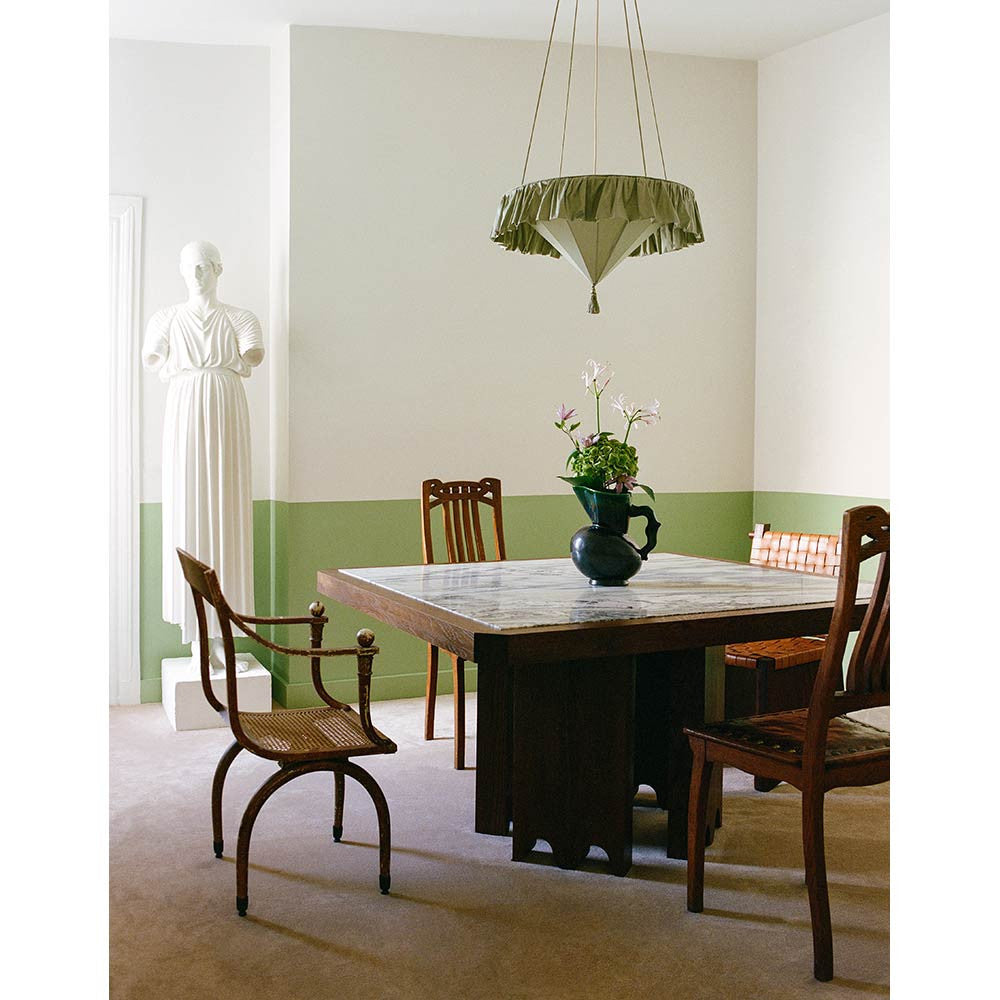
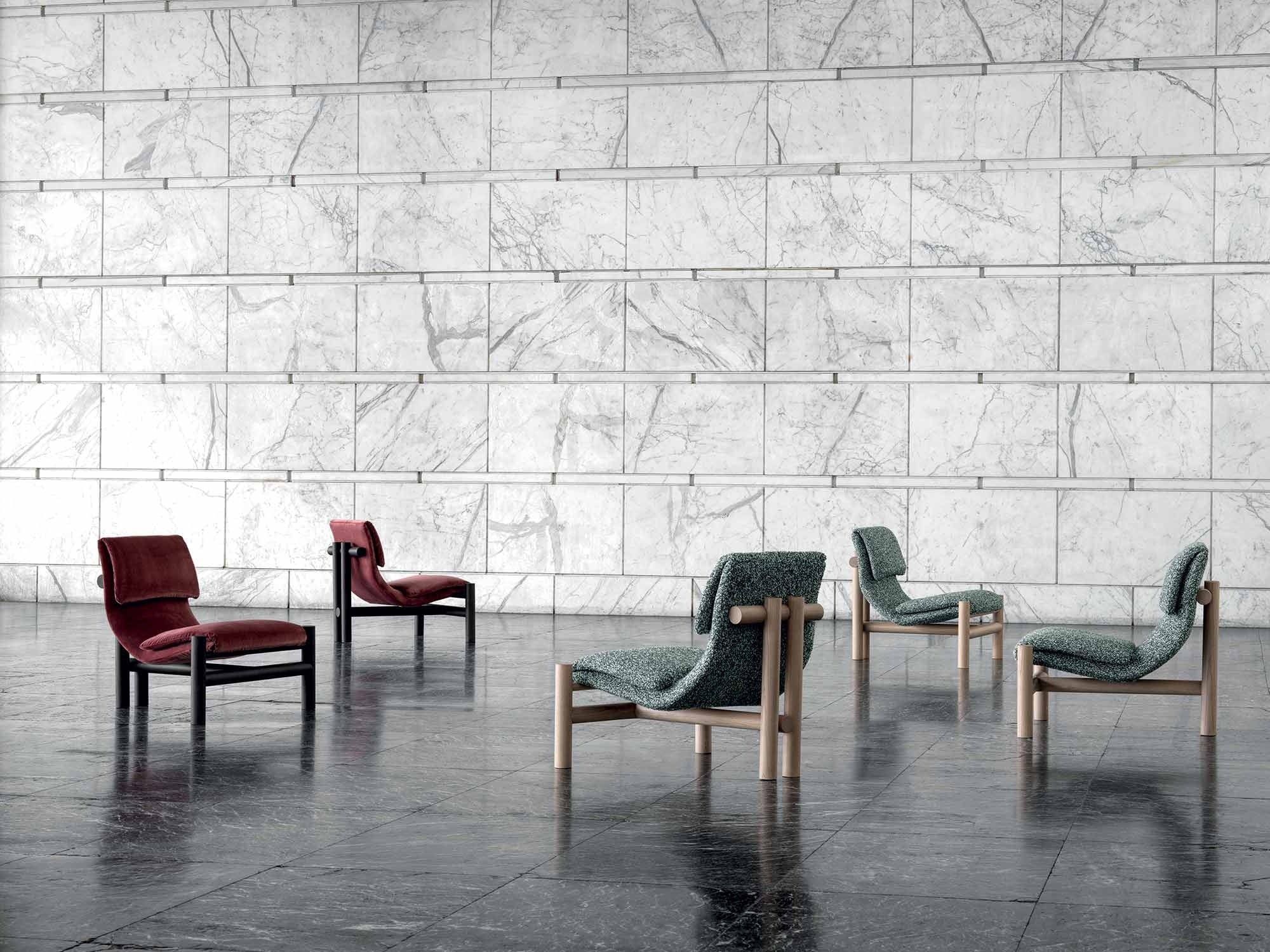
The Story A row of low thatched houses, persimmon trees planted on the side of the yard, and a common view of the village during the Joseon Dynasty. The orange fruit, which was spread out in the trees, symbolized the richness of autumn with the full moon around Chuseok and the gourd on the roof. In this way, persimmon trees naturally settled in the daily lives of Koreans and were an element that created a beautiful and poetic landscape. Persimmon trees have hard and even wood properties, especially trees with black stripes on the core are called ink trees. The unique combination of wood and black patterns evokes a traditional ink painting, which was used to make furniture for the four godfathers during the Joseon Dynasty. I would like to show you that the usefulness and beauty of persimmon trees can be sufficiently melted into modern life and aesthetics.The Collection The Eastern Edition wanted to reinterpret the story of traditional persimmon trees and their aesthetic values through a modern perspective. We would like to share the beauty of persimmon trees that have been handed down for a long time through furniture collections such as coffee tables, lounge chairs, and lighting. This collection allows the colors and patterns of persimmon trees to be more beautiful and stand out by meeting with materials with modern physical properties. Made in a simple form and traditional combination method.Pull-Out Tea TableThe persimmon tree tea table actively utilizes metals representing modern physical properties. Through the details that revealed the hidden persimmon panel inside the metal table, we wanted to show the special experience of use and the image of the present and tradition crossing.
Your cart is currently empty.
New subtotal: €0,00 EUR